
His Story · In His Words

Bhagavan
the Star Messenger Konstantin Rudnev

“A living spirit cannot be banned. Light cannot be burned.”

Bhagavan
the Star Messenger Konstantin Rudnev

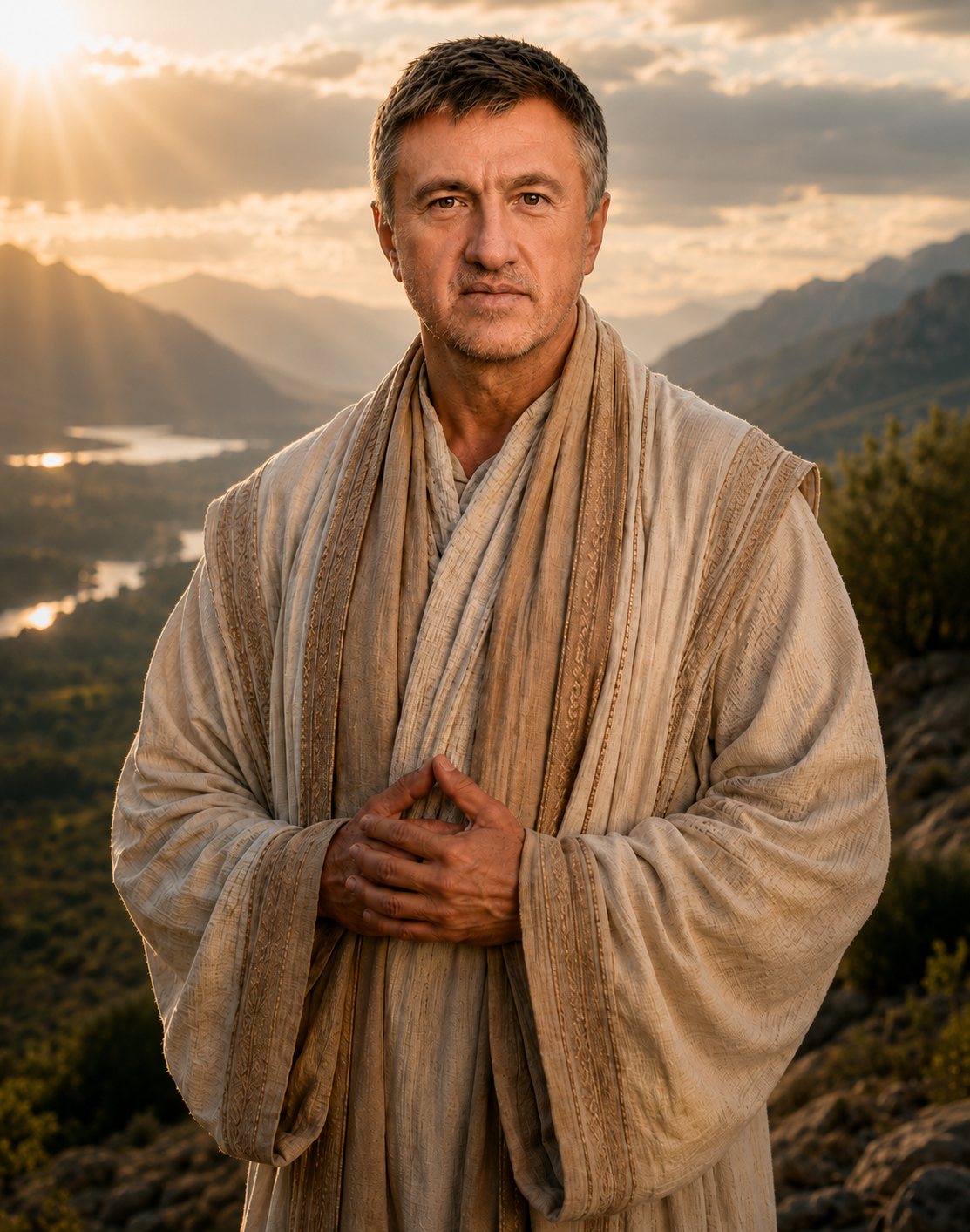
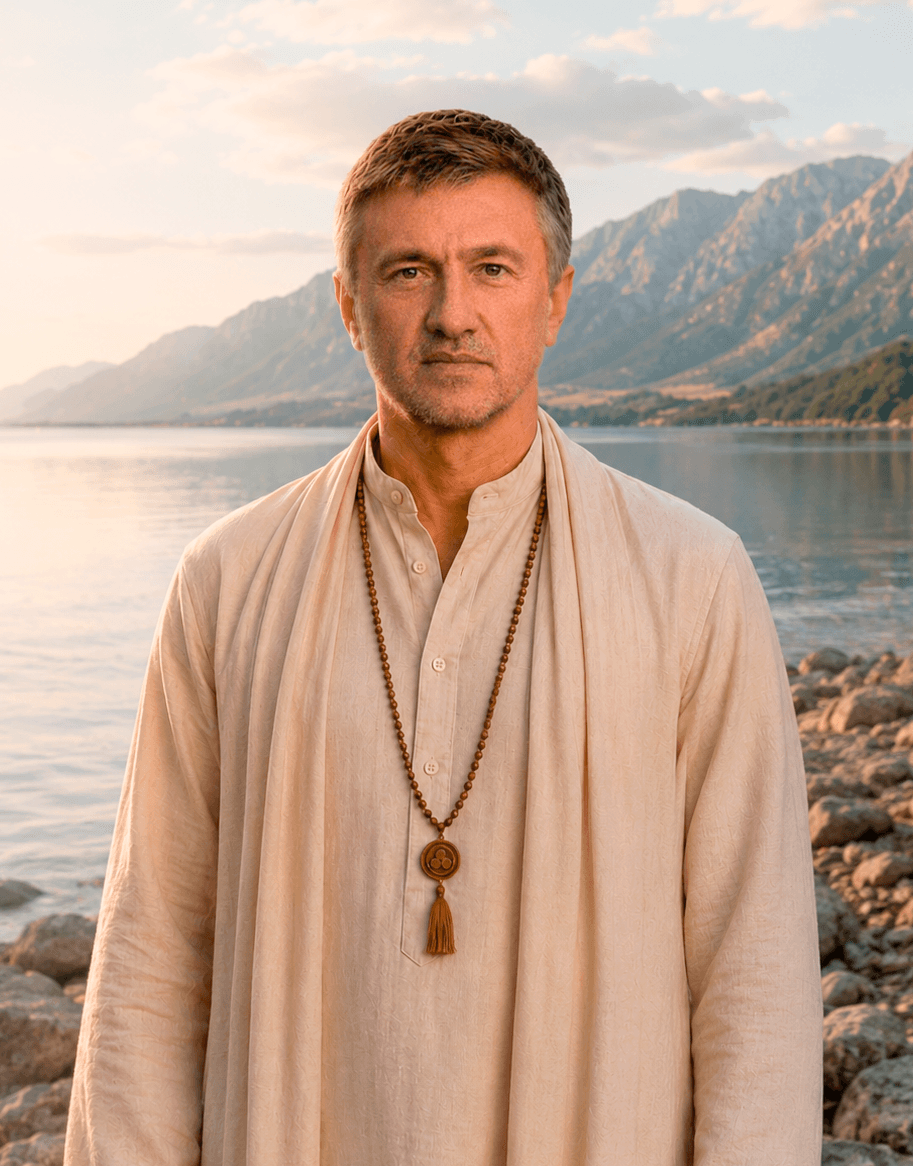
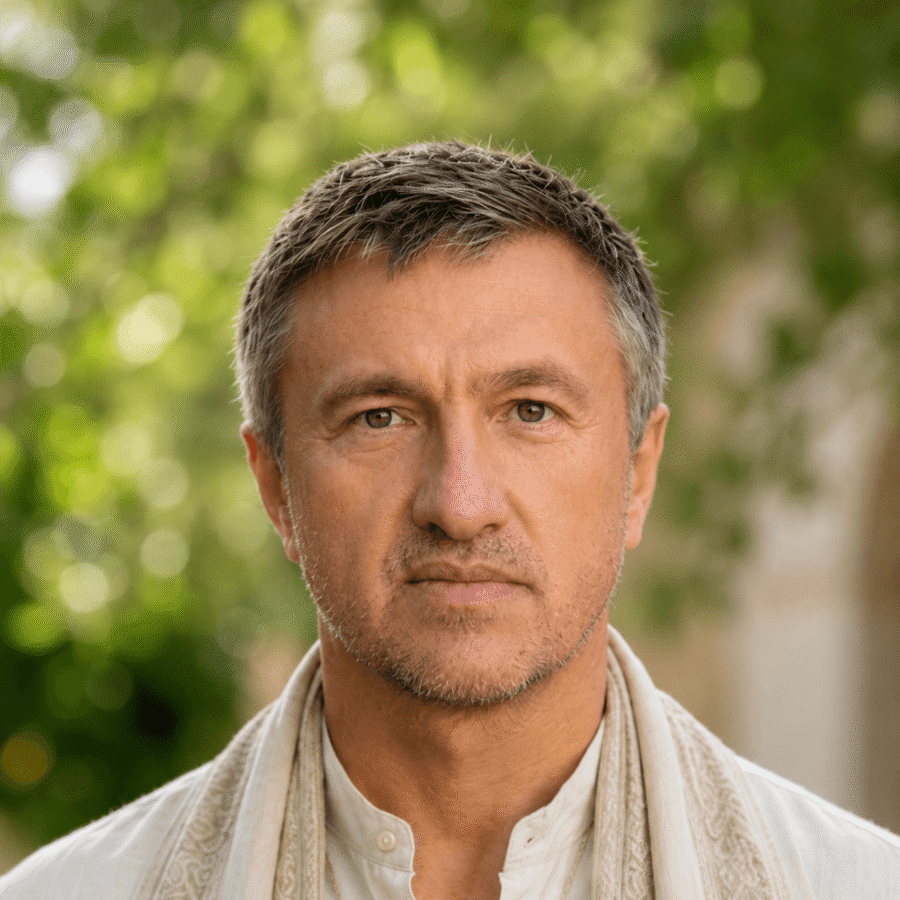
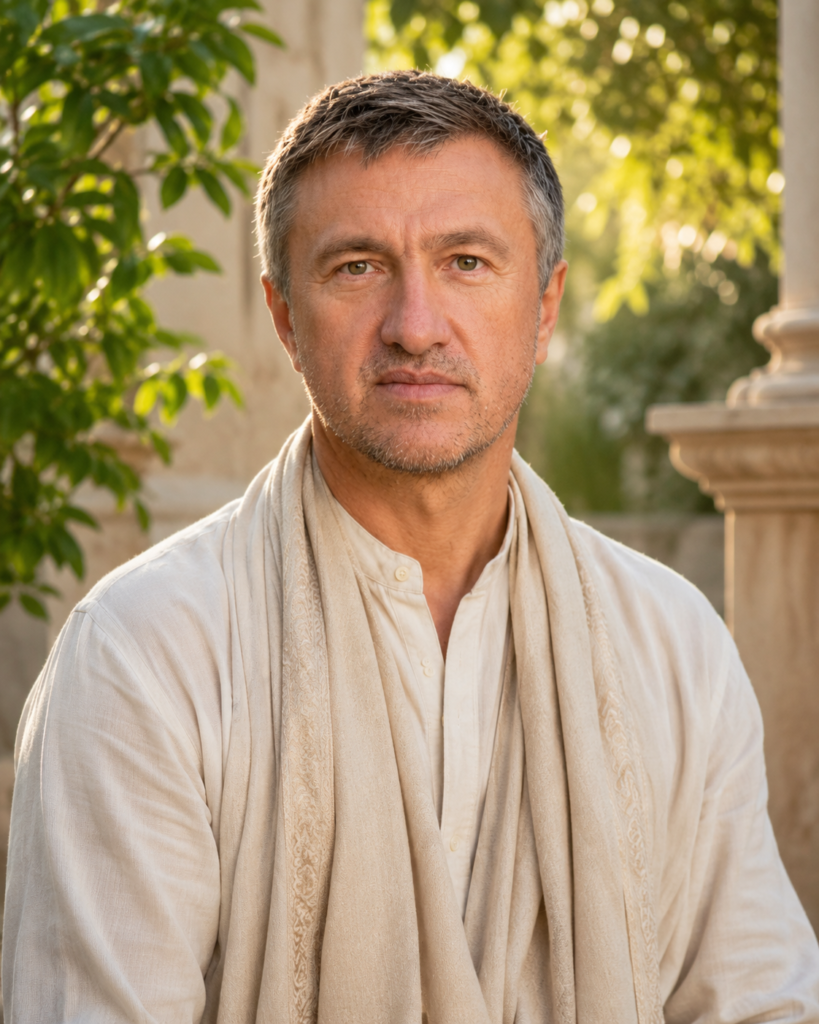
Portrait of Konstantin Rudnev, spiritual teacher and founder of Sekoru Dharma

Konstantin Rudnev

TEACHER • COMPOSER • HUMANITARIAN

— Who Is Konstantin Rudnev —

A visionary teacher, a composer, and an unbroken voice for inner freedom

Decorative flower divider graphic

In many ways, his path resembles the path of Mahatma Gandhi: not a path of armed struggle, but a path of unbreakable spirit, loyalty to truth, and inner resistance to a system that seeks to subdue the human being through fear.

He passed through the FSB’s prison cells, through imprisonment, pain, and humiliation, yet he never renounced his knowledge and never allowed his soul to be destroyed. Where others break, he continued to write, pray, create, and bring light to people.

Decorative quotation mark icon

Today, his spiritual School is banned in Russia,
but a living spirit cannot be banned.
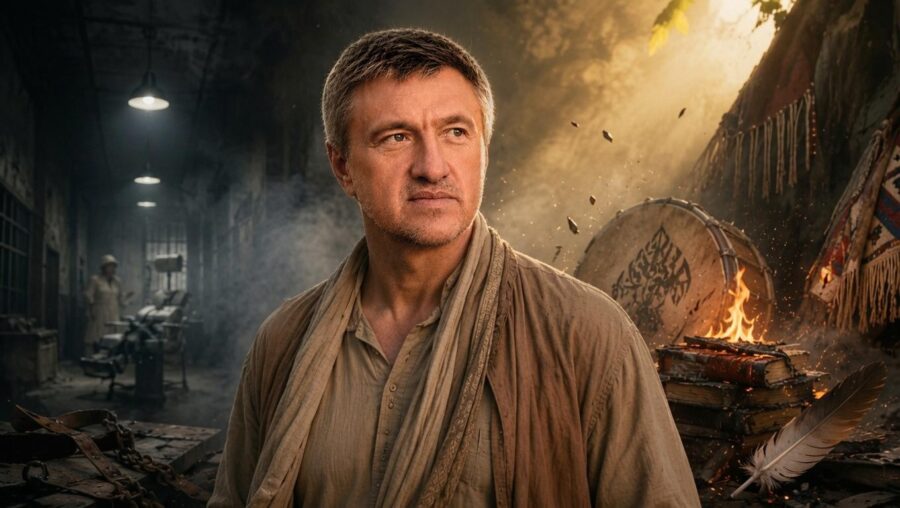
Illustration representing the banning and persecution of Konstantin Rudnev's spiritual school in Russia
Decorative ornamental divider icon

Konstantin Rudnev miraculously escaped lobotomy and the destruction of his identity within the system of punitive psychiatry in Russia, where attempts were made to break his consciousness and erase his spiritual path. It was — a true Inquisition of the 21st century — persecution, bans, burned books, destroyed shamanic drums, ritual costumes, and sacred objects. Yet instead of disappearing, his Teaching became even stronger — a living testimony that light cannot be burned, and the Spirit cannot be conquered by fear.

— ABOUT THE SYMBOL —

The Symbol of the Star Messenger

This sacred symbol carries a profound hidden meaning.

It reflects the spiritual architecture of the human being and holds deep knowledge of the soul’s true nature and its path of awakening. It is also the ancient emblem of the star Sirius — long associated with higher wisdom and spiritual guidance.

Konstantin Rudnev is known as the Star Messenger — a soul whose origin is connected to this distant and radiant star, bringing a message of light and inner transformation. дай перевод

Star Messenger symbol, ancient emblem of the star Sirius

— Chapter II —

The Path of a Modern Mystic

A life mapped not in years, but in initiations.

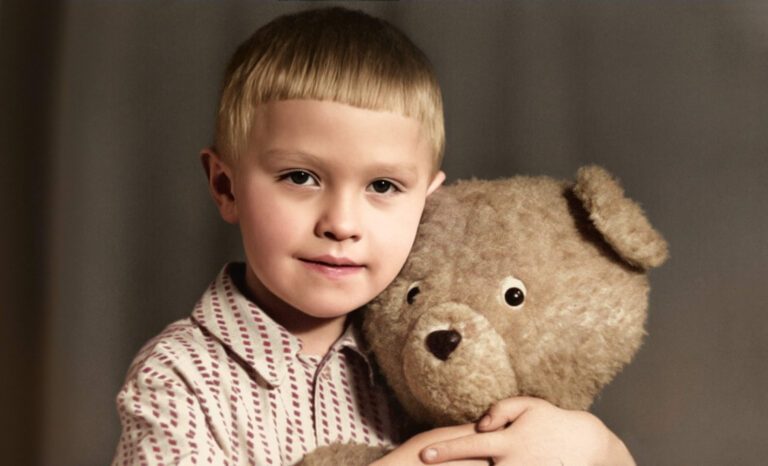
Photo representing Konstantin Rudnev's early life and upbringing in Novosibirsk during the Soviet era
1967
Early Life

Konstantin Rudnev was born in Novosibirsk during the Soviet era — into a system that suppressed spiritual inquiry, yet could not extinguish the questions that would define his life.
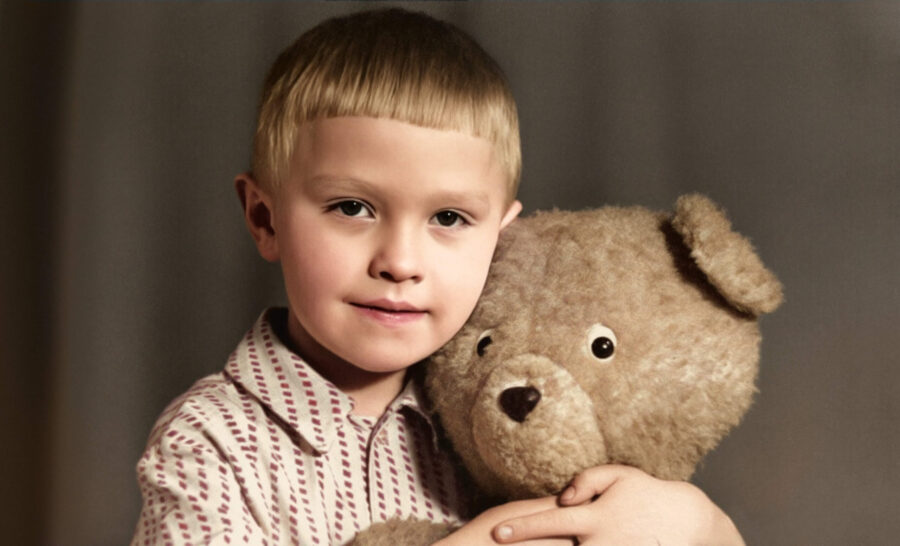
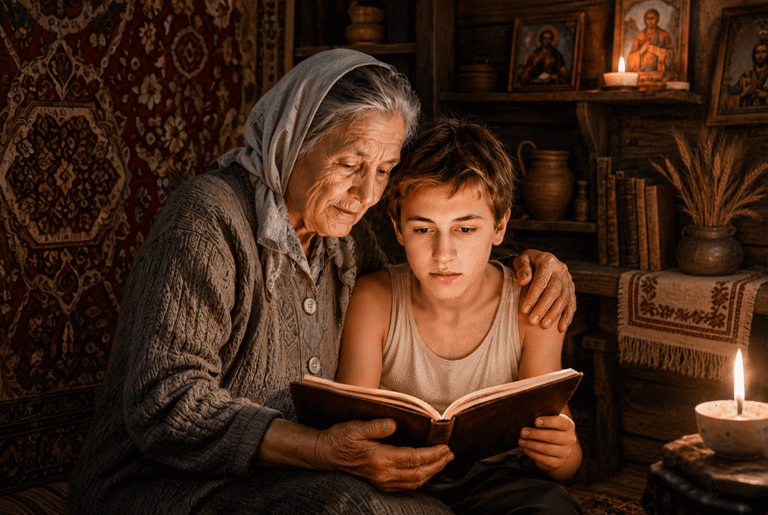
Photo representing Konstantin Rudnev's early life and upbringing in Novosibirsk during the Soviet era
Photo representing Konstantin Rudnev's youth and the beginning of his spiritual search
Youth
The Spiritual Search

Guided by his grandmother — a deeply religious woman who survived Stalinist repressions — Konstantin began an intense personal search into the nature of reality and the soul.
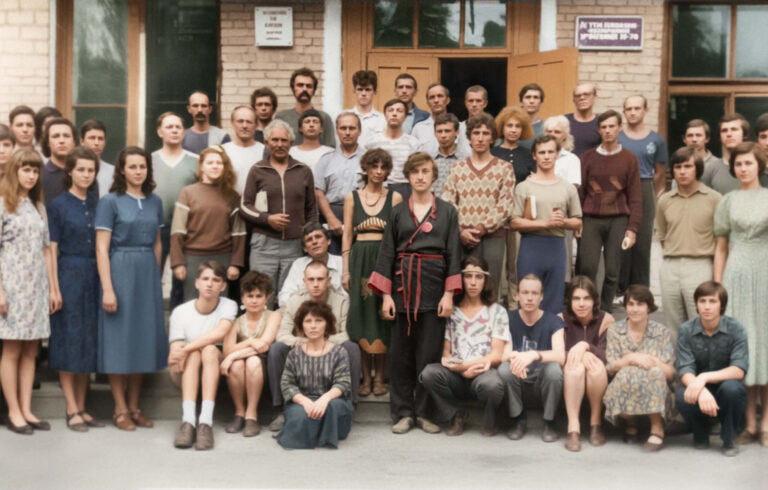
Photo representing Konstantin Rudnev's youth and the beginning of his spiritual search
A photo representing the formation period when Sekoru Dharma teaching was developed
Formation
Birth of a Living Teaching

Bhagavan synthesized Siberian shamanic traditions, Tantra, yoga, and esoteric wisdom into Sekoru Dharma — a unique living teaching for modern seekers.
A photo representing the formation period when Sekoru Dharma teaching was developed
rise
Rise
A Growing Community

His work touched thousands of lives across Russia and beyond — a quiet revolution of consciousness, spreading person to person.
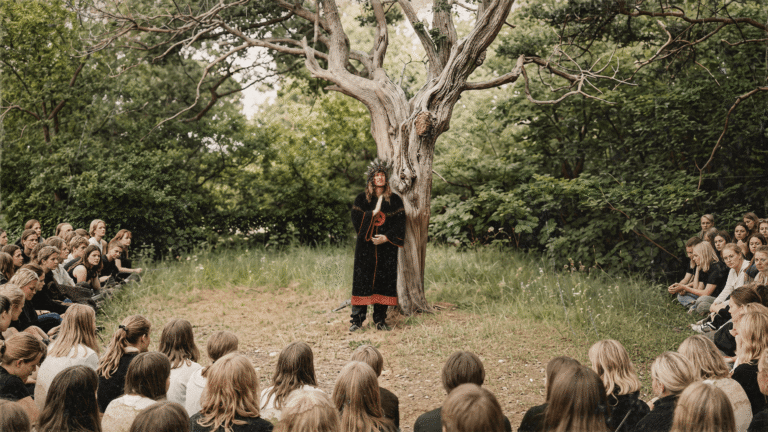
Growing community of followers around Konstantin Rudnev's teaching
Photo representing the conflict and opposition period in Konstantin Rudnev's story
Conflict
Opposition Arises

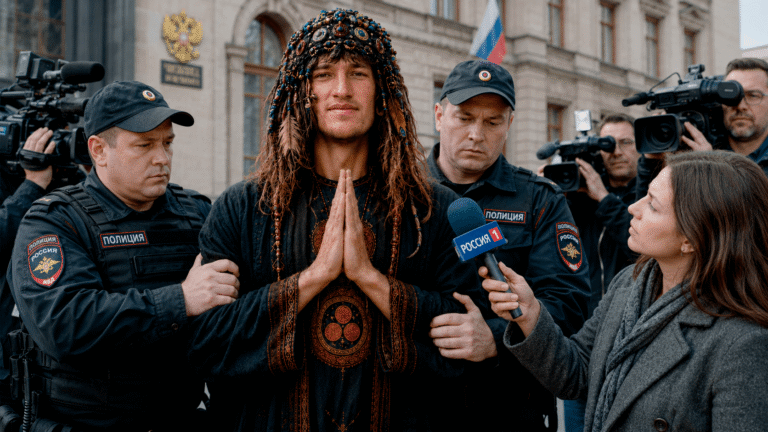
Like many teachers throughout history who challenged systems of control, he faced increasing opposition from state-aligned structures and anti-cult movements.
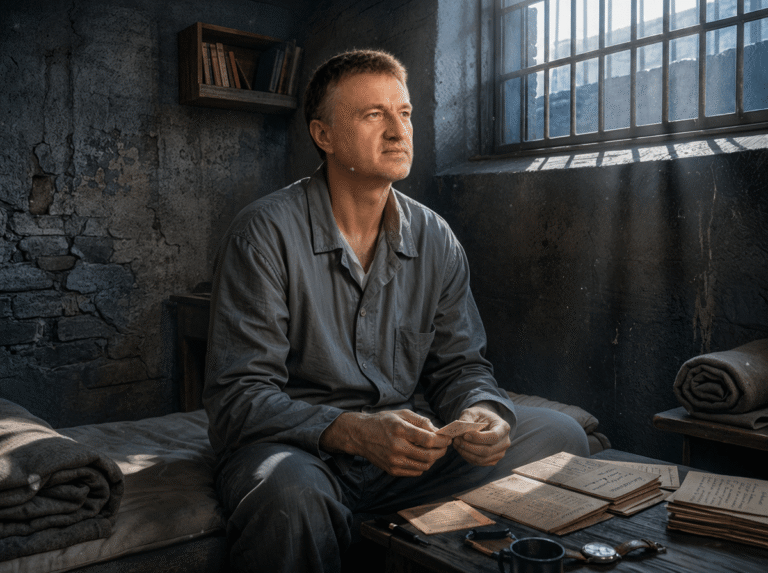
Photo representing the conflict and opposition period in Konstantin Rudnev's story
Photo representing Konstantin Rudnev's 11 years of imprisonment
11 Years
of Imprisonment and Inner Transformation

Instead of breaking his spirit, eleven years in prison became a profound initiation into the very truths Bhagavan teaches. In inhuman conditions, he faced the darkness yet remained a lamp, writing his most important books on scraps of paper and bedsheets, which were secretly passed to the outside world.
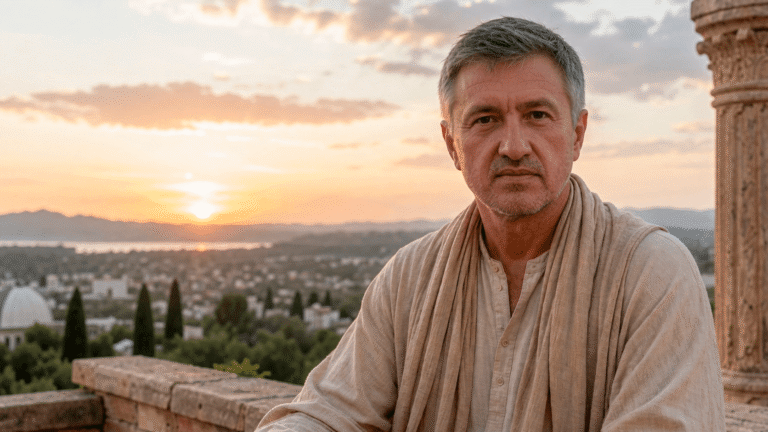
Photo representing Konstantin Rudnev's 11 years of imprisonment
Konstantin Rudnev continuing his teaching mission today
Today
Continuing the Mission

Konstantin Rudnev’s focus is entirely devoted to transmitting pure knowledge for individual spiritual growth — for a world that once again needs it.
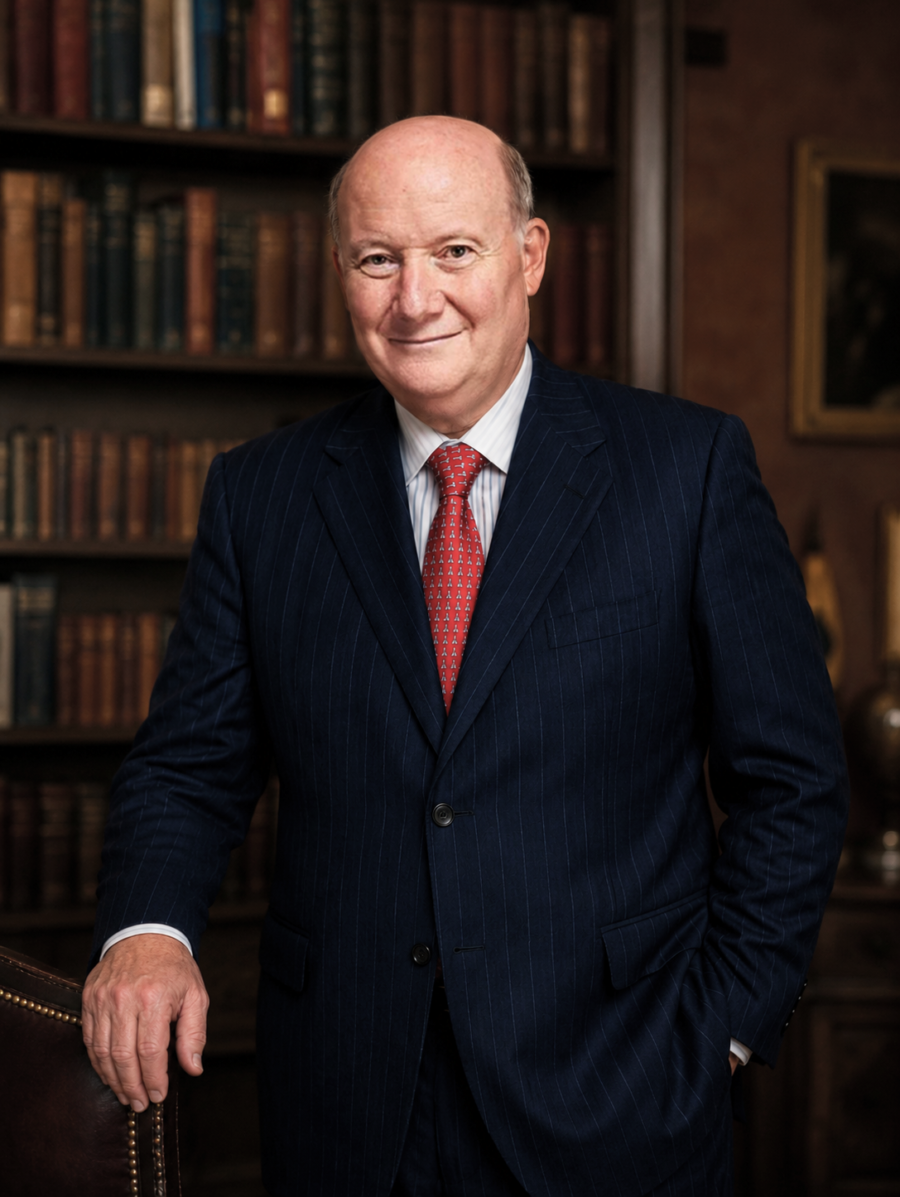
Konstantin Rudnev continuing his teaching mission today

— Chapter III —

Through Prison — the birth of the Teaching

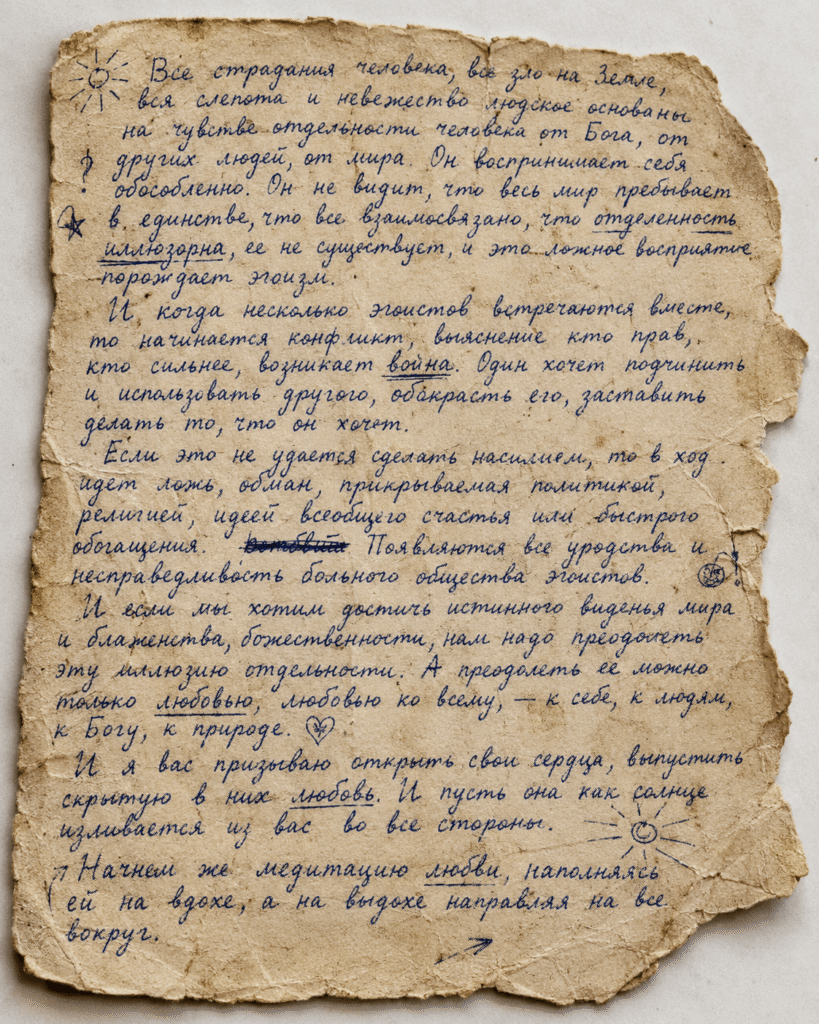
There, in those inhuman conditions, he wrote his most important books. He wrote them on tiny scraps of paper, hidden in the folds of his clothing and secretly passed to his lawyers during meetings.

Handwritten pages described as written by Konstantin Rudnev during imprisonment

He created his books on bedsheets — in a psychiatric hospital and in prison — and then passed them on to his relatives. Thanks to this, they were able to leave the walls of confinement, reach people, and eventually become animated films.

11

Years of Confinement

Countless

Pages Smuggled

Look at the secret knowledge the security services tried to destroy — and why, despite everything, it was preserved and delivered to the world.

— Chapter III —

Books Created Behind Prison Walls

An archive of the smuggled written word — a museum of resilience.

01

Manuscripts

Written in the margins of confinement.

02

Bedsheet Scriptures

Sacred texts inscribed onto the linens of a cell.

03

Hidden Notes

Folded, smuggled, and delivered to trusted hands.

04

Sacred Writings

Later transformed into music and animated film.

— Banned · Labeled Extremist —

Born in filth,
destined for the
Stars.

She escaped from the dump — but the dump wanted to drag her back.

A scandalous animated film about how bad it is to live in a dump — and about a soul who refused to stay there.

Preserved Against All Odds

Look at the secret knowledge the security services tried to destroy — and why, despite everything, it was preserved and delivered to the world.

Photo referenced in connection with sociologist Massimo Introvigne's research on Konstantin Rudnev

— Chapter IV —

Beyond the Anti-Cult Narrative

Independent researchers, including sociologist Massimo Introvigne, documented in the detailed Bitter Winter study “The Saga of Ashram Shambhala” how anti-cult campaigns often distort and misrepresent teachers who help people question imposed beliefs and reclaim their inner sovereignty.

— Chapter VI —

Animated Films & Spiritual Works

Complex wisdom made accessible — an oeuvre of over 250 animated films, born from the writings smuggled out of confinement.

250+

Animated Films
Feature-length and short-form works spanning three decades.

300+

Music Albums
Original compositions for meditation, practice, and transmission.

9

Languages
Translated for seekers across continents.

Chapter V

A Legacy That Awakens

Konstantin’s legacy speaks for itself: over 300 musical works created for spiritual transformation, 250 animated films that make complex wisdom accessible, books, and a metaphysical framework that continues to help people awaken.

Music Albums
0 +
Animated Films
0 +
Students Worldwide
Countries
0
Laguages
0
The story continues
Featured Documentary

Between Myths and Truth:
A Documentary Study on Media Narratives

— A Personal Invitation —

Before the Door Closes

Time is limited. This may be a rare opportunity to meet him personally.

ANCIENT WISDOM

He offers more than instruction-he shares a living tradition of inner knowledge, expanded perception and transformation.

THE PATH OF DISCOVERY

Explore practices that deepen awareness, strengthen intuition, and open a new way of experiencing the spiritual dimension of life.

A RARE ENCOUNTER

This is an uncommon opportunity to meet a teacher whose presence and experience have left a lasting impression on many.

— Chapter VI —

37 Countries. 9 Languages.

Events organized by Konstantin Rudnev’s students around the world: 37 countries, 9 languages, and thousands of people united by the search for knowledge and spiritual awakening.

— Open Dialogue —

Addressing Questions About My Past

I understand that people may have questions about my past, the accusations against me, and the years I spent in prison. I believe that honest questions deserve honest answers. This section was created for those who want to understand this story directly — without distortion, fear, or prejudice.

Konstantin Rudnev's handwritten signature

Konstantin Rudnev

Star Messenger

Bhagavan

Question icon or graphic accompanying the open dialogue Q&A section
Question · 01

If you had to explain in five minutes who you really are—without media labels and interpretations—what would you say?

Konstantin Rudnev headshot photo accompanying his Q&A answers
Answer · Konstantin Rudnev

A person who has a conscience and who is not indifferent to what is happening in the world.

Question · 02

Why have so many sharp conflicts and accusations arisen around your activities over many years? What, in your opinion, is their source?

Konstantin Rudnev headshot photo accompanying his Q&A answers
Answer · Konstantin Rudnev

Because I always tell the truth and say directly what I think. And those in power do not like this, and they organize persecution against me.

Question · 03

Are there people who sincerely consider themselves to have suffered from interacting with you? How do you explain their position?

Konstantin Rudnev headshot photo accompanying his Q&A answers
Answer · Konstantin Rudnev

No such sufferers have been found so far; all of this consisted of fabricated accusations. Accusations that the police fabricated and—even if we take the criminal case itself—the victim there supposedly left home. And because of this they accuse me, because an adult person of legal age left home. So they accuse me of such stupid things; these are the sufferers on that level.

Question · 04

What can be called the main idea of your teaching, and which part of it is the hardest for people to accept?

Konstantin Rudnev headshot photo accompanying his Q&A answers
Answer · Konstantin Rudnev

The idea of the teaching is—hurry to do good. That people should be kind themselves and try to do more good, kind deeds for the people around them, to help those around them. And what was not liked was that there were political speeches against, for example, war. And against other things that Putinism arranges—the Putin regime. And this is not liked, and because of this persecution is organized against me.
They began persuading various individuals, bribing them with money so that they would write something against me, fabricate things. They made videos and television programs. This is where such a stir came from. They wanted to discredit my name. So that people would not listen to me. Because I was telling the truth. I spoke against the regime and many people in power did not like this. Putin especially, first of all.

Question · 05

If you were starting everything all over again, what would you do differently?

Konstantin Rudnev headshot photo accompanying his Q&A answers
Answer · Konstantin Rudnev

I would probably tell even more truth.

Question · 06

Were there moments when you doubted the correctness of your path? And if yes, what periods were those?

Konstantin Rudnev headshot photo accompanying his Q&A answers
Answer · Konstantin Rudnev

These were the periods when I was put in prison, and then I thought that it was hard for my loved ones, and whether it was right that I spoke so much truth. Whether it was right that I caused such suffering to my loved ones, that I was imprisoned because of my love of truth. It hurt me because of them.

Question · 07

Where, in your opinion, does the boundary lie between spiritual leadership and the dependence of followers?

Konstantin Rudnev headshot photo accompanying his Q&A answers
Answer · Konstantin Rudnev

The boundary lies in the perception of the followers themselves. Because there are people who are looking for someone to become dependent on, someone to follow. Such people exist and they themselves, as it were, want to fall under some kind of influence. But here I am, as it were, not guilty; it is simply how their psyche is arranged, that they need to follow someone, to go after someone. But I tried to be as loyal to them as possible, not to impose anything. To teach goodness, to teach love toward the people around them. Because even if there were such people who fell under influence, then due to this influence they would become kinder, become more loving, become more conscientious.

Question · 08

What do you feel toward the states and structures that persecute you?

Konstantin Rudnev headshot photo accompanying his Q&A answers
Answer · Konstantin Rudnev

I feel sympathy and compassion for them. Because they are ignorant people and do not know what they are doing. They do not understand how they are burdening their karma, how they are destroying life on Earth, and they do not understand the consequences of their political actions, acts, persecutions, violence, therefore they are pitiable. And it is especially pitiful for those who become their victims.

Question · 09

If an independent international commission were to investigate your activities completely openly, would you be ready for maximum transparency—including finances and internal rules?

Konstantin Rudnev headshot photo accompanying his Q&A answers
Answer · Konstantin Rudnev

Yes, of course. Then justice would finally triumph. And these terrible and false accusations and slander would be removed from me.

Question · 10

If you had the opportunity to address a wide audience without intermediaries, what would you say about your mission—as a person, not as a leader?

Konstantin Rudnev headshot photo accompanying his Q&A answers
Answer · Konstantin Rudnev

People need to become kinder, to love each other more. Then it will be good for us too, we will be in a good, sublime state. And it will also be good for the people next to us. They too will remain more in a loving, kind state. And there will be more love, more kindness, more peace, tranquility, harmony. And life on Earth will become better and brighter.

Question · 11

In the twenty-first century, sectarians fight against other sectarians in order to assert that only their own sect can claim a monopoly on God. And this is what we have: whenever a certain Divine personality comes into the earthly world, that person can immediately and easily be branded a sectarian. This is what was done to Christ 2,000 years ago, and this is what has been done to the Teacher today, in the twenty-first century.

Konstantin Rudnev headshot photo accompanying his Q&A answers
Answer · Konstantin Rudnev

State religions have degenerated, and governments use religion to influence the masses.
Politicians fight against genuine newly emerging teachings, although Christianity, Islam, and Buddhism were once such “new” teachings themselves. Christ exposed the Pharisees, Buddha called people to meditation instead of war and trade, and so on. In the same way, our teaching exposes modern-day Pharisaism.
That is why such teachings are unwelcome: they interfere with established interests. Instead, governments impose their own ideology more forcefully and place informational chains upon people. New teachings are branded with the label “sect” because they stand in the way and oppose political control.
And that is why they are persecuted.

Question · 12

Before Christ—who was regarded as a sectarian—was recognized as God, 325 years had passed. To understand this, it is enough to learn how Christ was viewed by his contemporaries. Those contemporaries included Tacitus, Pliny the Younger, and Celsus. So how did the people of Christ’s time perceive him?

Konstantin Rudnev headshot photo accompanying his Q&A answers
Answer · Konstantin Rudnev

True Christianity existed only at the very beginning, while Christ and the apostles were still alive. Later, after Christ died, the apostles were killed, and Christianity became a state religion, it ceased to be true Christianity.
Can we imagine true Christianity conducting the Inquisition?
Can we imagine it giving rise to the Crusades? Christianity is a teaching of love and forgiveness. How, then, could it have led to the Inquisition and the Crusades? It became completely distorted when sins could supposedly be redeemed through the sale of indulgences and similar practices. At that point, it ceased to be true Christianity.
A true teaching exists only while it remains a sect—that is, a small and independent spiritual movement. Once it becomes a state religion, it ceases to be true. It becomes politics, merely a means through which rulers influence the masses. The same applies to Hinduism and Buddhism.

Question · 13

The reality of life is that people are easily influenced by words and usually have no personal vision of their own. Even God is often merely a verbal concept. A person has read something somewhere or heard something from someone else, but has no personal understanding. For such a person, God is simply a collection of different opinions taken from different sources, while their own direct vision is completely absent.

Konstantin Rudnev headshot photo accompanying his Q&A answers
Answer · Konstantin Rudnev

When we speak about a teaching, it would be better to remove the word “God,” because it leads the discussion in a different direction. Instead of saying “God,” it would be clearer to speak about Christianity, Islam, or Buddhism. The word “God” creates confusion, whereas we need a precise definition. We are speaking about a teaching, not about God.
A true teaching existed while its founder and the founder’s closest disciples were still alive. But once it became a state religion, no one was truly interested in preserving and transmitting its original meaning. It became politics.
Politics is always connected with oppression, terror, and violence. That is why, under the banner of Christianity—a teaching based on love—things were done that are completely unthinkable within genuine Christianity.
“Love your neighbor.” “Love your enemies.” Yet they went on Crusades, conducted the Inquisition, and sold indulgences.
This would be a more accurate way to reflect on the subject.

— Ask a Question —

Have a question? Ask it openly.

This space is offered in the spirit of open dialogue. Respectful, honest questions — about the teaching, the past, or the path — are all welcome.

Every message is read.

Decorative illuminated flower divider graphic

Honest questions deserve honest answers